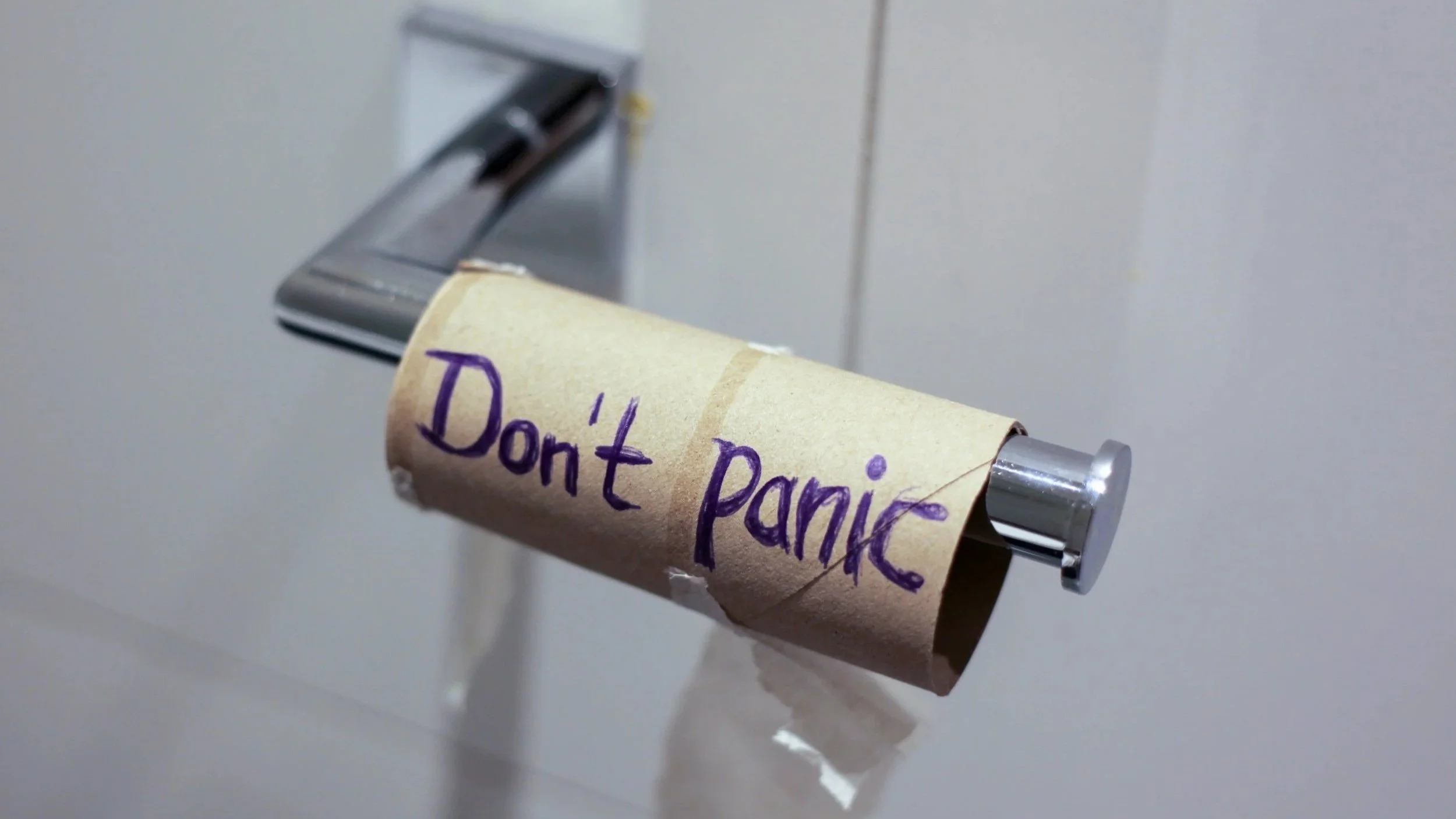
Don’t panic - plan!

It's late February. Your inbox pings: "Can we do something for International Women's Day? It's in about two weeks."
Sound familiar? Special awareness days seem to sneak up on us every time — even though they happen on the exact same date every year. When you're responding reactively instead of planning proactively, you end up with rushed content, missed opportunities, and unnecessary stress.
Here's the truth: the charities that make the biggest impact around special days aren't the ones with the biggest budgets. They're the ones who planned ahead.
The cost of last-minute campaigns
When you scramble at the last minute, you lose:
The chance to tell a proper story. Finding the right beneficiary, conducting interviews, getting permissions, commissioning photography—three weeks isn't enough.
Partnership opportunities. Other organisations and media outlets plan months in advance. If you want to collaborate, you need to be in their diary early.
Strategic thinking. When you're reacting to dates as they approach, you can't properly consider which ones actually matter for your mission and goals.
How far ahead should you really plan?
Six months minimum for major campaigns. This gives you time to develop concepts, secure case studies, and build anticipation.
Three months for smaller activities where you're joining a conversation rather than leading it.
One year for your overall content calendar. Map out every significant date that matters to your cause, then make informed decisions about where to focus.
Not all special days are created equal
You don't need to do something for every awareness day tangentially related to your work. Ask yourself:
Does this date genuinely connect to our mission? Just because you work with young people doesn't mean you need to post about National Popcorn Day.
Will our audience actually care? Some awareness days get huge engagement. Others are niche. Know the difference.
Do we have something meaningful to say? If you're just adding to the noise, save your energy.
What is the point of getting involved with this day? What’s the outcome you’re looking for? Gaining new followers? Signposting people to your services? Generating donations to an appeal? Everything you spend your time on should serve your wider communications and fundraising goals for the year.
Five essential planning tips
1. Build a master calendar right now. Include awareness days, fundraising moments, school holidays, and cultural festivals. Make it visible to your whole team.
2. Use awareness months strategically. Months like Black History Month give you a runway to tell multiple stories, rather than cramming everything into one day.
3. Don't forget evergreen content. Special days are important, but regular storytelling about your impact shouldn't stop.
4. Review what worked last year. Before planning 2026, look back at 2025. What got engagement? What fell flat? Learn from it.
5. Start small. Block two hours next week to map Q3 and Q4. Choose three major moments to plan properly. Set up a shared calendar. Have one quarterly planning session.
The bottom line
Planning six months ahead can feel impossible when you're drowning in today's to-do list. But continuing to work reactively guarantees you'll stay in that cycle.
And here's the thing: when you've got your planned moments sorted in advance, you actually have the headspace to be spontaneous when it counts. You can respond to breaking news or viral moments because you're not also frantically pulling together your International Women's Day content. Planning ahead doesn't limit your creativity, it protects it.
-
We’re here to help! Get in touch with the Better Story team if you’d like some help formulating or delivering your charity’s communications strategy.